 Back to reports
The Berlin Ministerial Conference
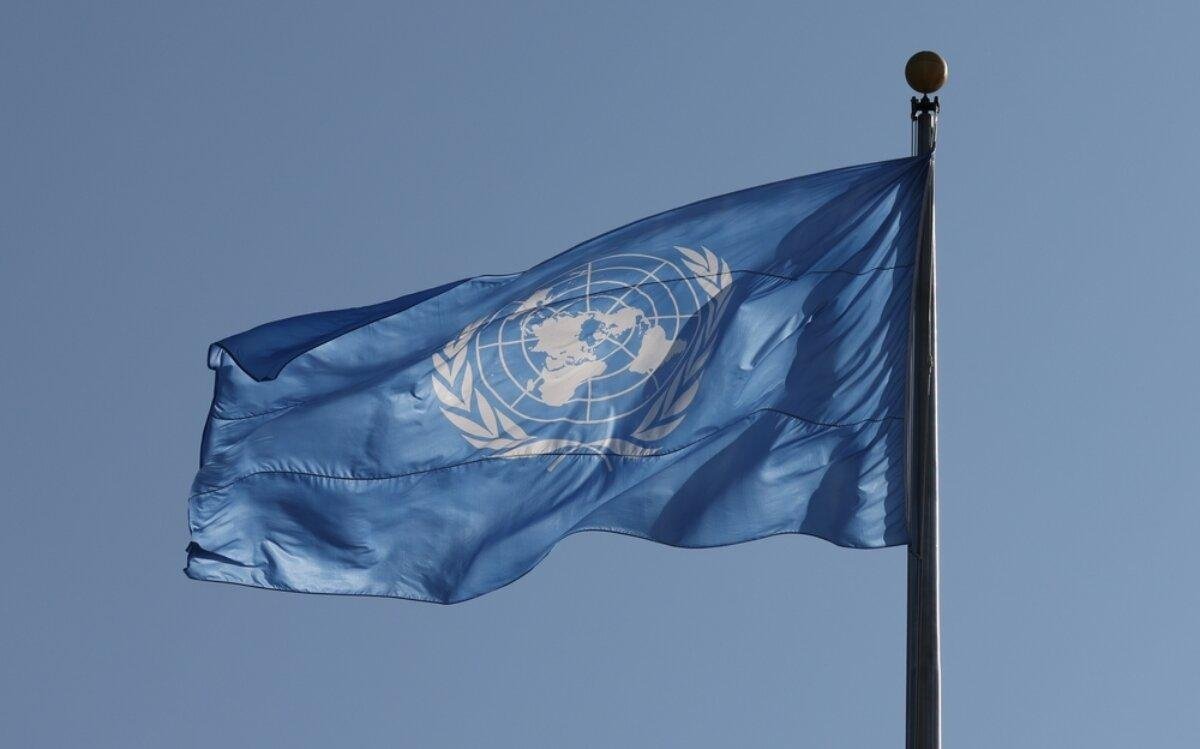
Member states of the United Nations (UN), on 13 and 14 May, will gather in Berlin for the 8th Ministerial Peacekeeping Conference, which will focus on the future of peacekeeping. An independent study commissioned by the co-conveners of the conference, titled The Future of Peacekeeping, New Models, and Related Capabilities, will guide the discussion.
The study highlights the successes and challenges of peacekeeping and suggests new ways to address these challenges and adapt to new realities. Notably, it presents three broad frameworks within which peacekeeping can be advanced going forward. These are mandates; models, of which there are 30; and six modalities to actualise the proposed models.
Contextualising peacekeeping
For decades, peacekeeping has been one of the foremost tools of multilateralism used to further the primary purpose of the UN; the maintenance of international peace and security. It has succeeded, in various ways, to stabilise states and preserve their sovereignty, protect civilians and prevent further atrocity in active sites of conflict, monitor ceasefires and observe elections, and, overall, support post-conflict rebuilding. Further, it has proved to be cost-effective at achieving all this.
Nevertheless, it also faces various challenges ranging from global developments to operational and structural difficulties. Current geopolitical tensions, for instance, affect or threaten to affect decision-making at the UN Security Council, which is the UN organ responsible for maintaining peace and security and authorising peacekeeping missions. In the past, peacekeeping decisions have enjoyed relative consensus and commitment from the Security Council, but polarisation, especially among the Permanent Members, threaten to alter this pattern.
Relatedly, there is less enthusiasm to contribute financially to peacekeeping missions and to the UN as a whole, at present. Funding cuts affect peacekeeping operations, which are already inadequately funded. Recent cuts have already forced the UN to consider structural changes. Additionally, the changing nature of conflicts, including a proliferation of actors and the weaponisation of new technology, pose novel challenges for peacekeepers. Alongside this, is the growing preference by conflict parties to enlist bilateral support in armed conflict, therefore undermining the pursuit of pacific avenues as those encouraged in the UN Charter and African Union (AU) norms.
On the other hand, structural and operation challenges, such as restricted mandates for UN missions, capability-expectation gaps, and misconduct from peacekeepers, have created a trust deficit both at the governmental and local levels. Finally, prolonged or a reduction in peace processes and inadequate political anchoring of peacekeeping operations counter the effectiveness or reverses the gains of peacekeeping. Therefore, the Berlin Conference is well-timed to confront these challenges.
Africa’s Central Role
Africa’s place and contribution at the conference will be crucial for the future of peacekeeping. The continent has the largest number of UN peacekeeping missions, and five out of the top 10 contributors of UN peacekeeping personnel are African countries. Africa is also exceptionally placed to shape discussions, as it has experienced both the benefits and the challenges that have come with peacekeeping.
Additionally, in the last five years, the continent has seen a surge in armed conflicts and terrorism in all its sub-regions; unconstitutional changes in government; climate change-induced instabilities; and a debt crisis. Conversely, it has also recorded progress, most evident in countries such as Côte d’Ivoire, Liberia, and Sierra Leone over the years. Subsequently, Africa states, individually or collectively, come with a wealth of experience to inform important lessons for peacekeeping going forward.
AU-UN complementarity
The African Union and its predecessor have a long history of working with the United Nations. African delegates are, as such, best placed to stress and demonstrate the vital role of multilateralism in peacekeeping. The AU and the UN complement each other as multilateral partners in peacekeeping in Africa, and their complementarity is anchored by the 2017 Joint UN-AU Framework for an Enhanced Partnership in Peace and Security and the UNSC Resolution 2719 (2023).
Both organisations have unique strengths which, when employed collaboratively, enhance peacekeeping operations. The UN brings capacity as well as operational and accountability mechanisms; international backing; and a great degree of funding predictability to peacekeeping in Africa. On the other, the AU brings comprehensive norms in peace, security, and governance; legitimacy and local context; and the willingness to operate in asymmetrical environments.
Therefore, the Conference offers the chance to further strengthen AU-UN collaborations within the frameworks of the study on the Future of Peacekeeping. For example, the co-creation of peacekeeping mandates in Africa now becomes a possibility that can be explored, even as the A3 (African states at the UN Security Council) use their positions to push for mandates that align with AU norms.
Proposed models in the study are comprehensive enough to provide options for the UN Security Council regarding mandates, potentially helping to circumventing divisions. They are also likely to provide clarity on the kind of support African states can expect from peacekeeping missions. Moreover, modalities like UN-authorised missions, joint operations, and parallel deployments build up on previous avenues of co-operation between the UN and the AU. El-Ghassim Wane endorses these channels as important areas of collaboration and further suggests ideas such as appointing AU liaisons to UN missions in Africa to promote the effectiveness of future peacekeeping.
Continental Reinforcements
The study describes its vision for peacekeeping as politically focused and people-centred, while the UN Under-Secretary-General for Peace Operations has stated that ‘peacekeepers need peacemakers.’ Both emphasise the primacy of politics and the role of peace-making in reinforcing peacekeeping operations. Peacekeeping cannot work in isolation of broader peace-making efforts.
The African Union has impressive peace and security and governance architectures that have not only played an important role in deploying peace operations but are also ready to facilitate peace processes and longer-term, sustainable peacebuilding. It has the tools to prevent conflicts and fortify existing peace ways that complement peacekeeping or make it unnecessary altogether.
Consequently, the upcoming Berlin Conference does not only offer UN member states the opportunity to re-commit to multilateralism for the benefit of peacekeeping. It is significant for African states to shape the future of peacekeeping based on their own lessons and tools.