 Back to reports
Way Forward; for the Sake of the People
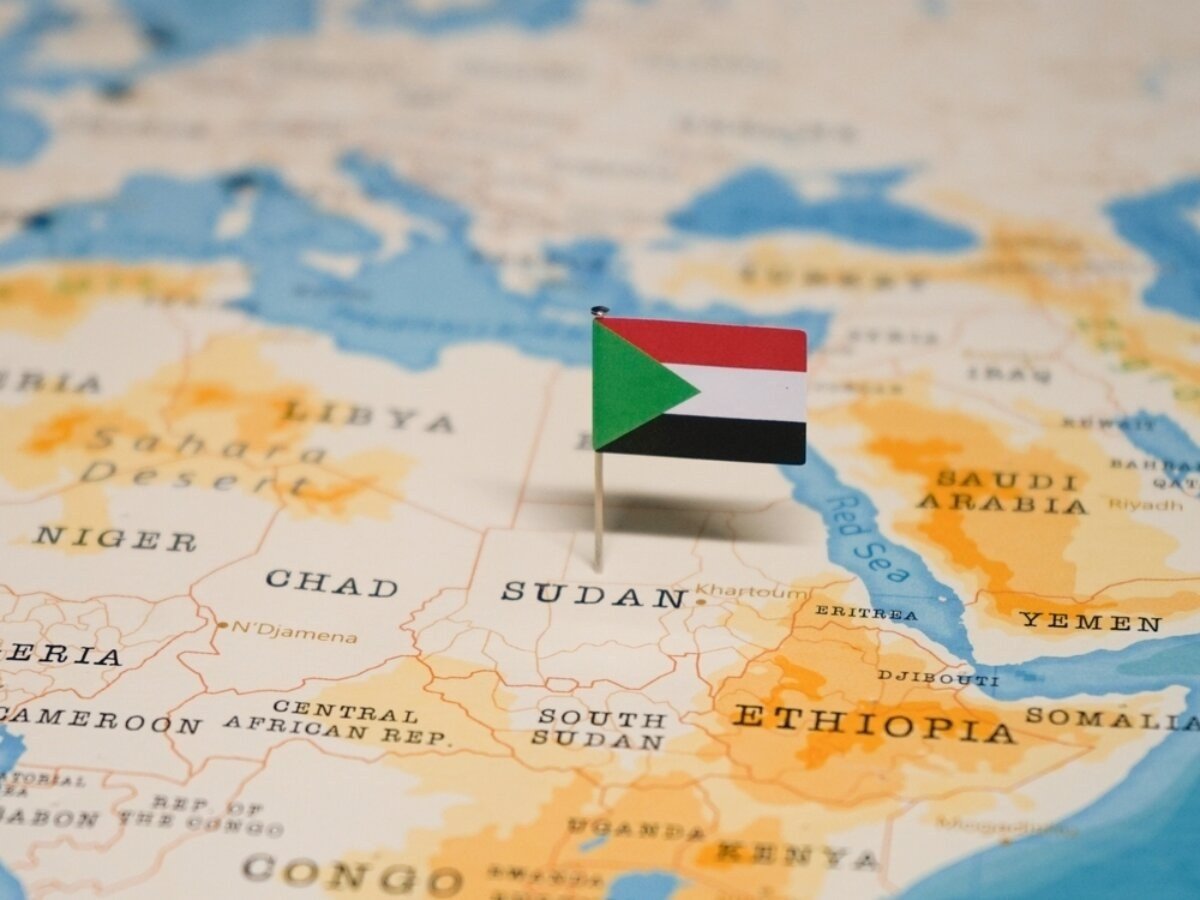
It has been a bit over a year since war broke out in Sudan between the Sudanese Armed Forces (SAF) and Rapid Support Forces (RSF). Fighting among the two groups is ongoing despite numerous, unsuccessful peace processes. Contrary to earlier predictions that SAF would overpower RSF given SAF's superior weaponry, including airpower and heavy artillery coupled with its legitimacy as the national military, the RSF remains strong in the conflict and has gained substantial ground. On 29 June, the RSF occupied Sinja and Al Dinder towns in the country's southeastern part forcing some of the people to flee to neighbouring states of Gedaref, Kassala, and Blue Nile. This is a significant gain for the RSF, bringing them closer to capturing Sennar, which in turn will advance them towards Gadaref town and Ad-Damazin, the capital of Blue Nile. Additionally, it opens new supply lines for weaponry and recruitment, as it borders Ethiopia.
For a country that was already experiencing a humanitarian crisis before the war broke out, the consequences of the conflict are devastating, and the humanitarian situation continues to worsen with the intensification of the war. As of June, according to the UN figures, some 14,000 people had been killed and 10 million displaced by the conflict making it the highest displacement rate in the world. As the conflict spreads so is the humanitarian access restricted, the intense violence prevents the delivery of the very needed aid. Additionally, bureaucratic restrictions have hindered access, with authorities revoking permits for cross-border trucks and, in some cases, demanding exorbitant bribes to allow passage.
The SAF has been accused of permitting aid delivery only to territories under their control, thereby cutting off supplies to RSF-controlled areas, which are among the most food insecure in the country, but they have denied these allegations. Conversely, the RSF has allegedly been demanding exorbitant fees for aid trucks to traverse areas they control. The World Food Program has warned that Sudan could be "the world's largest hunger crisis" without the cessation of hostilities. WFP stated that 90% of the people are facing emergency levels of hunger and are in places WFP cannot access.
According to data published by the WFP on 27 June, more than 750,000 individuals are experiencing catastrophic food insecurity (IPC Phase 5) across 10 of the 18 states, including Darfur, South and North Kordofan, Blue Nile, Al Jazirah, and Khartoum. Additionally, 25.6 million people are facing crisis levels of hunger. The Integrated Food Security Phase Classification (IPC) indicates that 14 areas, including Greater Kordofan, Greater Darfur, Al Jazirah states, and some regions in Khartoum, are at risk of famine. Moreover, 18 percent of the population is grappling with food shortages that could lead to severe malnutrition and potentially death.
The conflict has severely impacted agricultural activities and food production in the country, with grain production in the 2023-2024 season being 46 percent lower than the previous year. Production was particularly low in the Kordofan and Darfur regions, where fighting was intense. In West Darfur, farmers were unable to access their fields due to heightened insecurity, causing them to miss an entire cropping season. Not only is production affected, but also livelihoods, as 60 to 80 percent of the population relies heavily on agriculture for income. One of the most affected areas is Al Jezirah state, one of the most productive regions in the country. It accounts for 50 percent of wheat and 10 percent of sorghum production. The state is also home to the Gezira Agricultural Scheme, the largest irrigation scheme in the country. According to a statement released by the National Umma Party (NUP) on Facebook on June 5, only 10 percent of the Gezira Agricultural Scheme, the country's largest agricultural project crucial for food security, was harvested using agricultural machinery this season. The ongoing war has made it difficult to obtain essential supplies such as seeds and fertilizers, driving up agricultural preparation costs. Additionally, the RSF, which took control of Wad Madani in December 2023, looted food reserves and produce stored by farmers and caused many farmers and farm workers to flee.
The refugees, mainly women and children, fleeing to neighboring countries are also burdening the countries that already have humanitarian crises of their own. Refugees mainly flee to Chad, Libya, the Central African Republic, Egypt, Ethiopia and South Sudan. Most of the refugees in these countries face severe levels of hunger and the children suffer from malnutrition.
The SAF is demanding the implementation of the 11 May 2023, Jeddah Declaration of Commitment to Protect the Civilians of Sudan before any talks take place; particularly demanding that the RSF evacuate houses and institutions. Also, they have expressed opposition against any form of negotiations, recognizing the advantage the RSF gains from diplomatic and political efforts, as well as the resources and military capacity Hemeti has amassed over the years. In essence, this means that if an agreement were reached between the two groups, the SAF would likely struggle to maintain control of the executive even though the people of Sudan are pushing for a civilian government. Consequently, the SAF is more focused on trying to completely crash the RSF, a nearly impossible goal. Meanwhile, the RSF appears more open to negotiations, as a post-conflict agreement would grant it the legitimacy it seeks. This would enable the RSF to secure independence and avoid being integrated into the armed forces as previously agreed, thereby allowing Hemeti to further his political ambitions. The current national army as it stands has been accused of favouring Islamists during recruitment and the people are calling for reforms to get rid of the Islamists and have a more professional army.
This highlights the complexity and difficulty of the negotiation process. Therefore, it is crucial for the concerned parties to prioritize addressing the humanitarian situation overreaching a political agreement. In such conflicts, both sides heavily leverage the intensity and severity of the war, often sidelining humanitarian needs and concerns during negotiations. For the sake of the people, negotiators, especially those with influence over the warring factions, should adopt a different approach. Instead of allowing the two leaders to dominate the peace process, they should explore alternative strategies. The focus should shift from the political demands of both sides to the humanitarian crisis exacerbated by the conflict. Centring the discussion on the humanitarian situation will not only help implement immediate measures to alleviate the crisis but also serve as an entry point for political dialogue. This approach emphasizes the impact of the conflict on the well-being of the people, rather than catering to the desires of the warring factions.